
Roof Coatings vs Full Replacement:
Which Option Makes Sense for Your Commercial Building?
For commercial property owners and facility managers, one of the biggest roofing decisions is whether to install a roof coating or move forward with a full roof replacement. The right choice depends on the age of the roof, moisture conditions, leak history, and long-term plans for the building.
Understanding the differences can help prevent unnecessary expenses and avoid major roof failures.
What Is a Roof Coating?
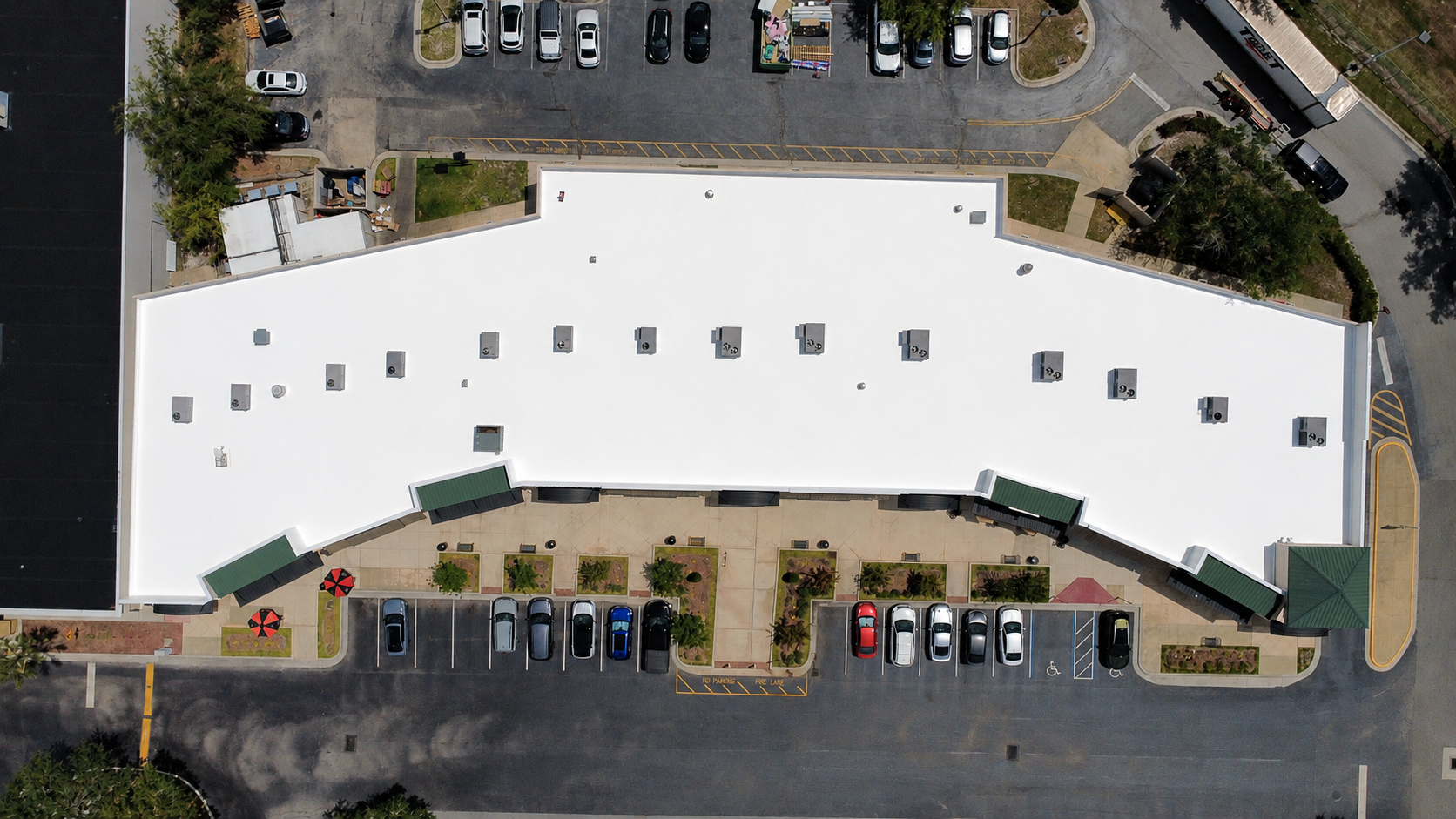
A commercial roof coating is a fluid-applied membrane installed over an existing roofing system. Common coating types include silicone, acrylic, and polyurethane systems.
Roof coatings are designed to:
• Extend roof lifespan
• Improve waterproofing
• Reduce heat absorption
• Lower cooling costs
• Seal minor leaks and seams
Coatings are often used on:
• TPO roofs
• Modified bitumen roofs
• Metal roofing systems
• Built-up roofs (BUR)
When a Roof Coating Makes Sense
Roof coatings work best when the existing roof is still structurally sound. “A roof coating makes a good roof better, but it doesn’t make a bad roof good”.
A coating may be a good option if:
• The roof is less than 15–20 years old
• Insulation is dry
• Leaks are limited
• Membranes are still attached properly
• There is minimal deck deterioration
• The building owner wants to extend roof life economically
For some warehouse and industrial facilities, coatings can add 10–15 years of service life at a lower upfront cost than replacement.
Benefits of Roof Coatings
Lower Initial Cost
Coatings typically cost significantly less than a complete tear-off and replacement.
Minimal Business Disruption
Most coating projects create less noise, odor, and operational disruption than full replacement projects.
Energy Savings
Reflective coatings can reduce rooftop temperatures and improve energy efficiency, especially in hot climates like Georgia.
Faster Installation
Many coating systems can be installed more quickly than full reroof projects.
When Full Roof Replacement Is Necessary
A coating cannot solve major structural roofing problems.
Full replacement is usually the better option when:
• The roof has widespread moisture intrusion
• Insulation is saturated
• Multiple roofing layers already exist
• The roof deck is damaged
• Chronic leaks continue despite repairs
• The membrane is severely deteriorated
• The roof is near the end of its service life
In these situations, coating over a failing roof may only delay larger problems.
Risks of Coating a Bad Roof
Applying a coating to a compromised roofing system can trap moisture inside the assembly. Over time, this may lead to:
• Mold growth
• Insulation damage
• Rusted metal decking
• Interior leaks
• Reduced roof lifespan
A professional roof inspection and moisture scan are critical before deciding on a coating system.
Cost Comparison
While pricing varies by roof size and condition:
• Roof coatings generally have lower upfront costs
• Full replacement has higher upfront costs but provides a completely new roofing system
Facility managers should evaluate:
• Remaining roof life
• Maintenance history
• Energy performance
• Long-term ownership plans
• Risk of operational downtime
Which Option Is Best?
The best choice depends on the current condition of the roof and the building owner’s long-term goals.
A coating can be an excellent investment for a roof that still has life remaining. However, when moisture damage and structural deterioration are widespread, full replacement is often the safer long-term solution. The most important first step is a detailed commercial roof inspection to determine the true condition of the roofing system before making a major investment decision. Why wait? Contact Whitco today!